Varanasi and Attar: Timeless Fragrance Tradition
Published on
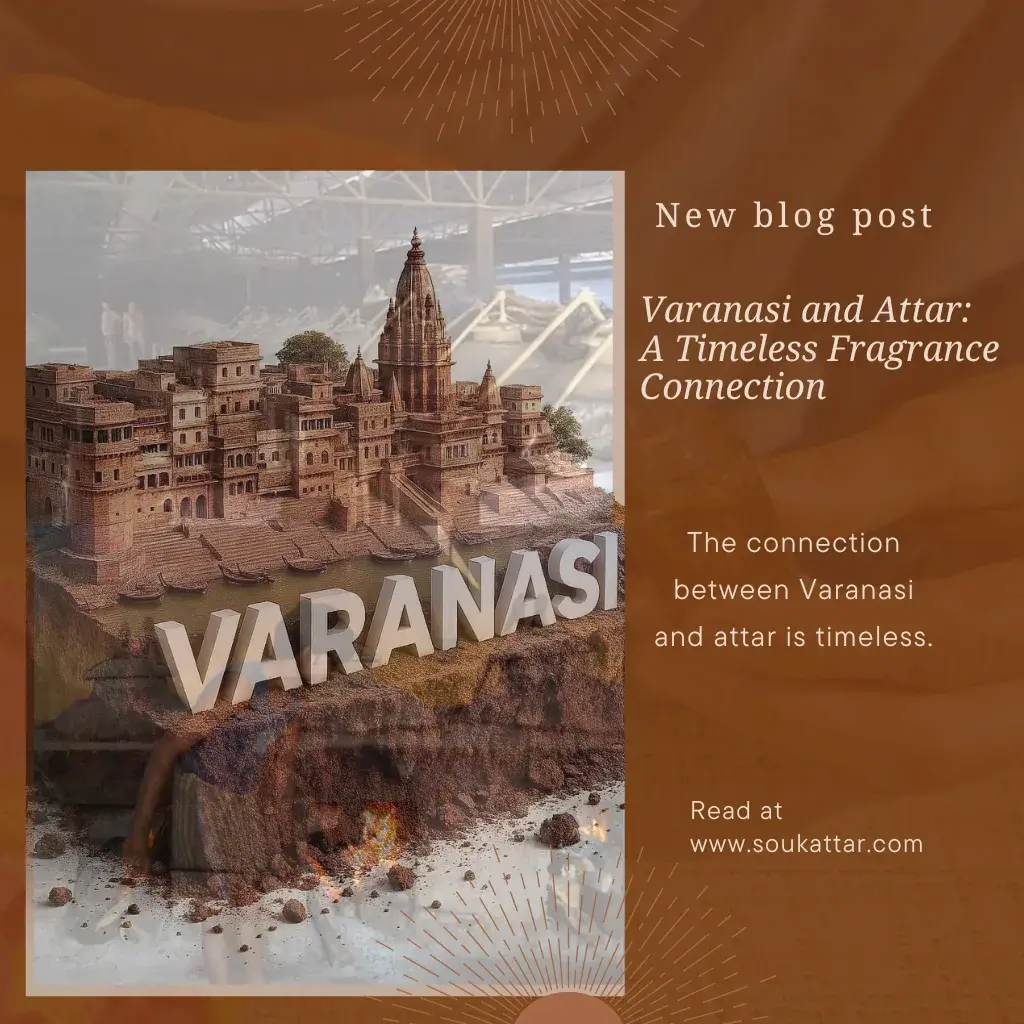
Varanasi and Attar: A Timeless Fragrance Connection
There are some cities you see… and then there are cities you feel. Varanasi is one of those rare places where every sunrise, every temple bell, and every drifting wave of incense tells a story. Known as Banaras or Kashi, this ancient city is often called the spiritual heart of India. But beyond its sacred ghats and timeless rituals, Varanasi shares a beautiful and lesser-discussed bond with something equally soulful — attar.
The connection between Varanasi and attar is not new. It goes back centuries, woven into daily life, devotion, celebrations, and personal identity. In this article, let’s explore how this timeless fragrance connection began, why it still thrives today, and how traditional attar continues to inspire modern perfume lovers.

The Spiritual Soul of Varanasi
Varanasi is one of the world's oldest continuously inhabited cities. Situated along the banks of the holy Ganges River, it attracts millions of pilgrims, seekers, and travelers every year.
Walk through its narrow lanes, and you will notice something unique — the city has a scent of its own. The fragrance of sandalwood paste applied to devotees’ foreheads, fresh marigold and rose garlands offered in temples, burning incense during rituals, and the earthy aroma rising from the ghats at sunrise — everything blends into a spiritual perfume.
In Varanasi, fragrance is not just pleasant — it is sacred. It represents purity, devotion, and connection with the divine. Naturally, this deep-rooted culture of scent created the perfect environment for attar to become part of the city’s identity.
What is Attar?
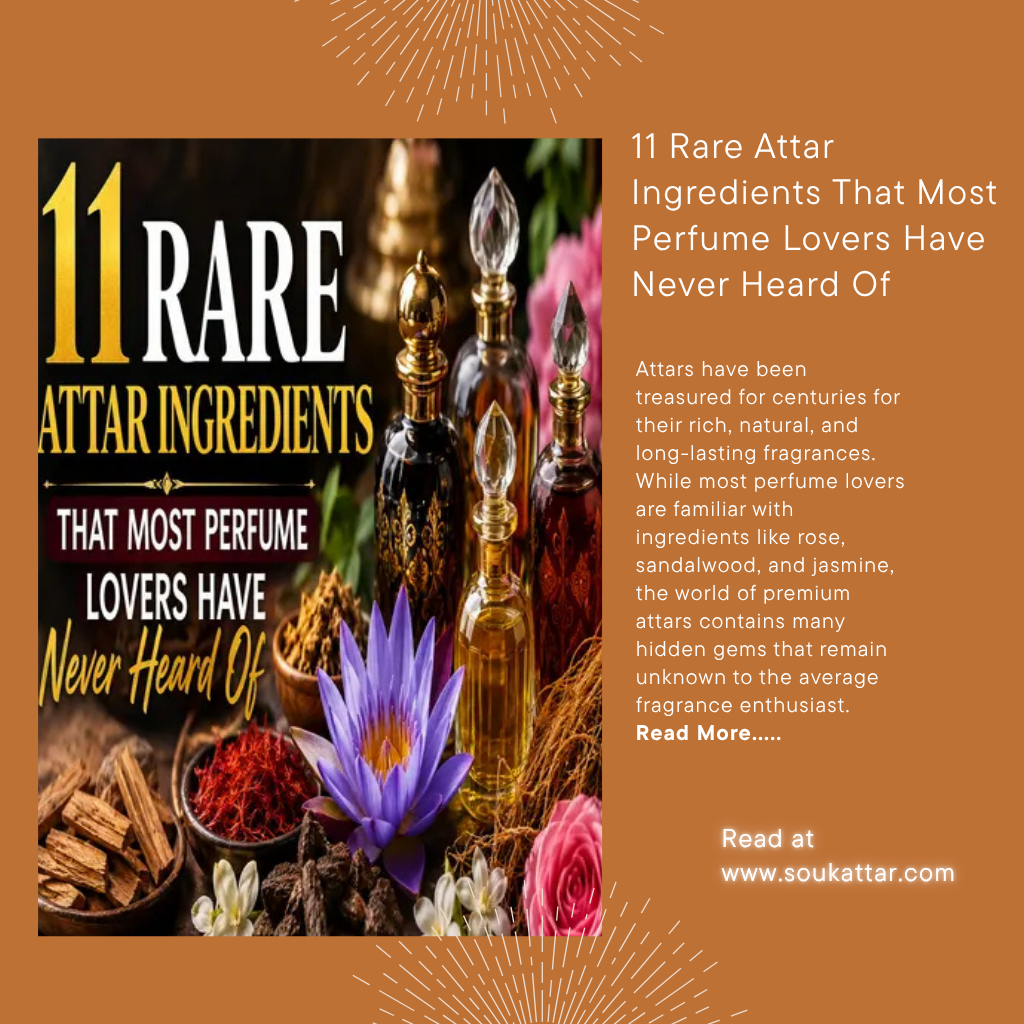
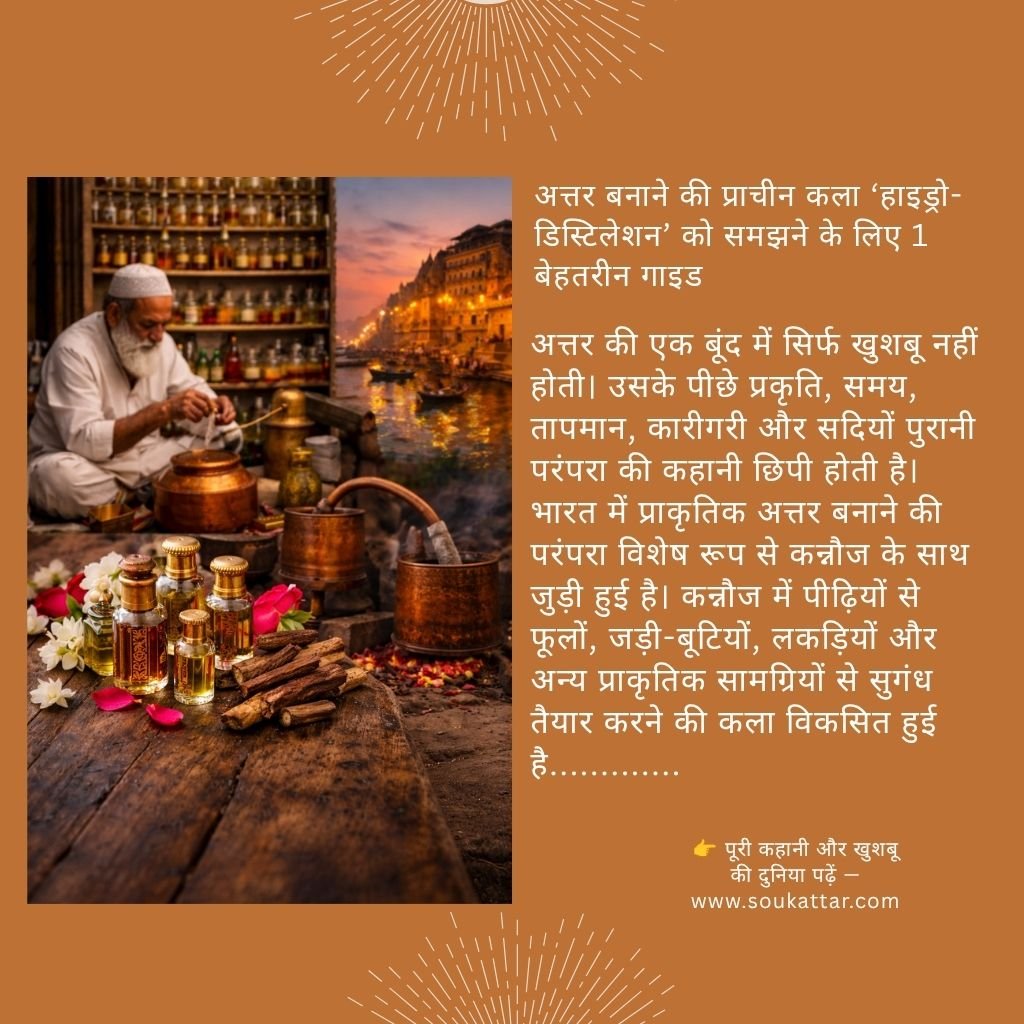
Attar (also spelled ittar) is a natural perfume oil made from flowers, herbs, spices, woods, and other botanical ingredients. Unlike modern alcohol-based perfumes, traditional attars are distilled through an ancient process and usually blended into a base of sandalwood oil.
The most famous attar-producing city in India is Kannauj, often referred to as the “Perfume Capital of India.” While Kannauj is known for manufacturing attar using traditional distillation methods, Varanasi became a key cultural and commercial center for its use.
Attar is highly concentrated, long-lasting, and gentle on the skin. Just a small drop is enough to create a lasting impression.
A Historical Bond Rooted in Tradition

The relationship between Varanasi and attar grew stronger during the Mughal era. Mughal emperors were great lovers of fragrance and encouraged the art of perfume-making across North India. As trade routes expanded, attars from Kannauj reached major cities — and Varanasi was one of the most important among them.
Because Varanasi was already a spiritual and trade hub, attar quickly found its place in:
Temple rituals
Royal gatherings
Weddings and celebrations
Personal grooming
Cultural ceremonies
Over time, fragrance became deeply embedded in the social and spiritual fabric of the city.
Fragrance as an Offering
One of the most beautiful aspects of Varanasi’s connection with attar is its role in devotion.
In temples across the city, natural scents are part of worship. Devotees use:
Sandalwood attar for calmness and spiritual focus
Rose attar for love and purity
Jasmine attar for divine connection
During the famous Ganga Aarti ceremony at the ghats, the air fills with incense smoke, oil lamps, and aromatic oils. Many devotees apply a drop of attar before prayer as a sign of respect and purification.
In this way, attar is not just perfume — it is an offering to the divine.
Popular Attars Loved in Varanasi
Although produced mainly in Kannauj, several attars are especially popular in Varanasi’s markets.
1. Rose Attar (Gulab Attar)
Fresh, soft, and romantic. Rose attar is widely used in temples and weddings. Its fragrance feels pure and uplifting.
2. Sandalwood Attar
Woody, creamy, and calming. Perfect for meditation and spiritual practices.
3. Mukhallat Attar
A rich blend of multiple fragrant ingredients. It is deep, luxurious, and often used for special occasions.
4. Kewra Attar
Sweet and slightly fruity. Besides perfume, it is sometimes used in traditional sweets and culinary preparations.
These fragrances are commonly sold in tiny glass bottles in the old lanes near the ghats, adding charm to the shopping experience.
The Traditional Art of Attar Making

Attar production is a slow and delicate craft passed down through generations.
The process usually involves:
Collecting fresh flowers early in the morning
Placing them in copper vessels called deg
Heating them gently with water
Capturing the fragrant steam
Allowing it to settle naturally into sandalwood oil
This traditional hydro-distillation method can take days or even weeks. There are no shortcuts. The result is a pure, concentrated fragrance that evolves beautifully on the skin.
Unlike synthetic perfumes that may fade quickly, attar interacts with body heat and chemistry, creating a unique scent for each person.
Why Attar Remains Popular in Varanasi
Even with international perfume brands available everywhere, attar continues to hold a special place in Varanasi.
Here’s why:
It is alcohol-free and skin-friendly
It aligns with religious purity traditions
It carries cultural and emotional value
It connects people to heritage
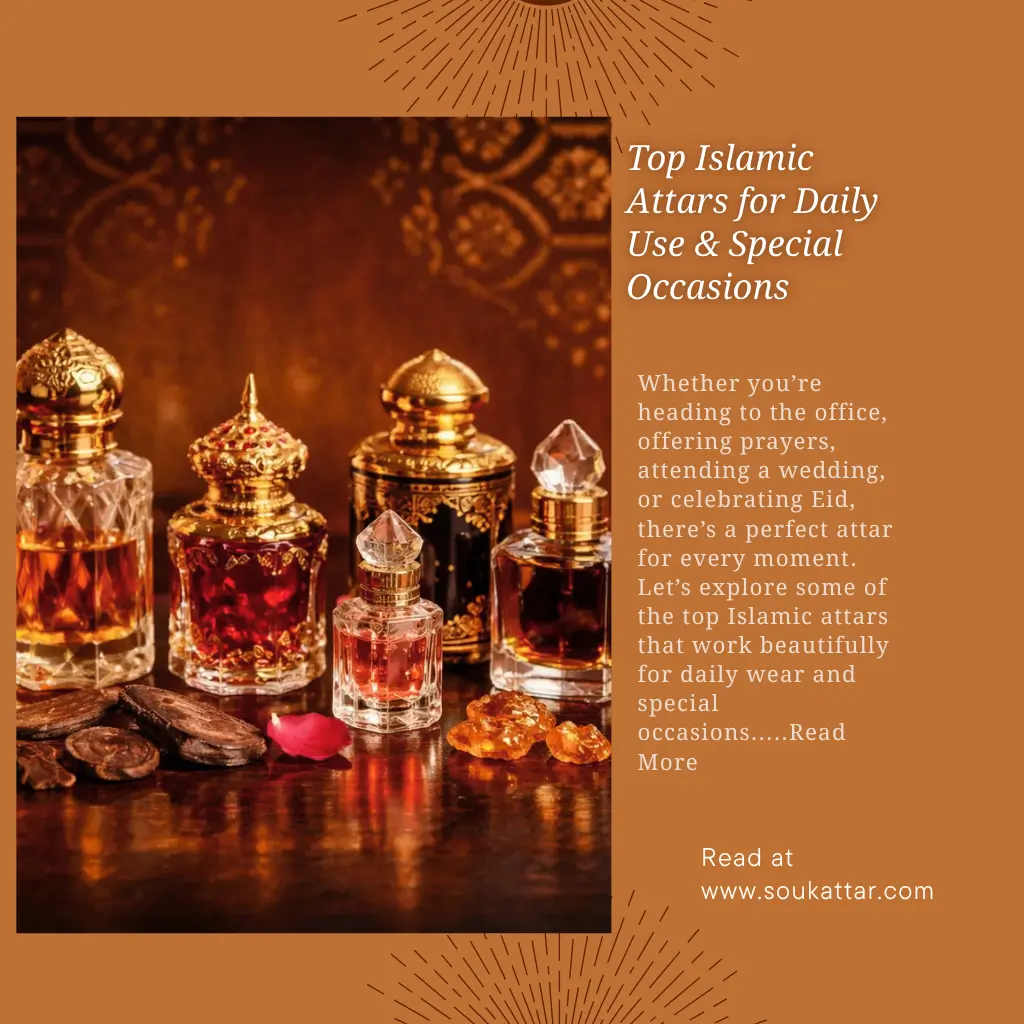
In many households, gifting attar during Eid, Diwali, weddings, or other celebrations is still a cherished tradition. A small bottle often carries blessings, respect, and love.
Exploring Attar Markets in Varanasi

If you truly want to understand the fragrance culture of Varanasi, visit the local markets.
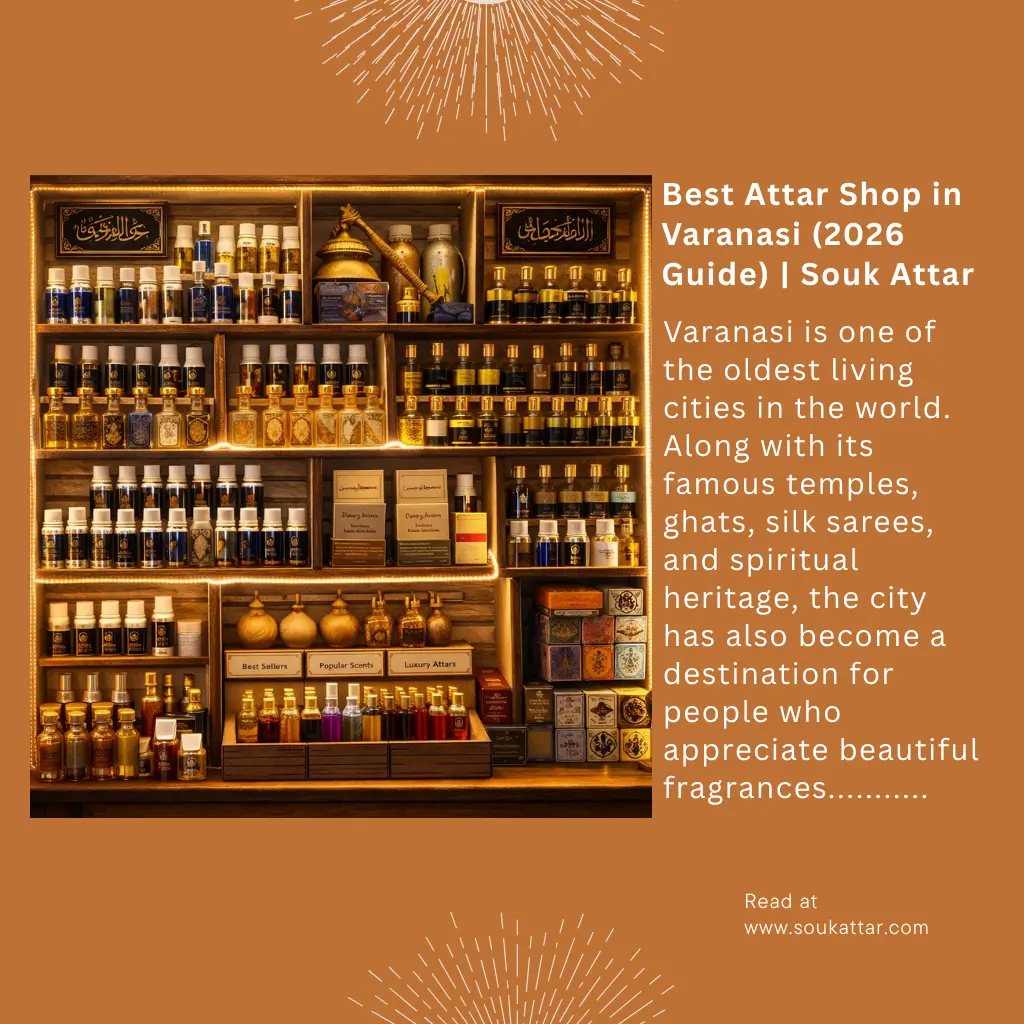
Areas around Vishwanath Gali and the Chowk are well-known for traditional attar shops. Small stores display colorful bottles lined up neatly, each containing a different aroma and personality.
Walking through these markets feels like stepping into a world where scent tells stories. The air carries notes of incense, fresh flowers, spices, and perfume all at once.
Buying attar here is not just a transaction — it is an experience.
Souk Attar: A Modern Fragrance Destination
While old-city markets carry heritage charm, modern fragrance lovers also seek curated collections and comfortable shopping experiences.
That’s where SoukAttar in the Golghar Kachahari area comes in.
SoukAttar blends traditional attar values with modern fragrance trends. The store offers:
Alcohol-free long-lasting perfume oils
Elegant packaging for gifting
Personalized guidance to help customers choose the right scent
What makes Souk Attar unique is its balance between heritage and contemporary style. Whether someone is looking for a soft rose attar for daily prayer or a bold oud-inspired fragrance for special occasions, the store provides carefully curated options.
For those searching online for the best attar shop in Varanasi, Souk Attar is becoming a popular choice due to its quality and customer-focused approach.
The Modern Revival of Traditional Fragrance

Around the world, people are moving toward natural and sustainable products. This shift has renewed interest in traditional Indian attars.
Today’s perfume lovers appreciate:
Natural ingredients
Alcohol-free formulations
Long-lasting scents
Handmade craftsmanship
Brands inspired by Varanasi’s fragrance heritage are now reaching customers not only in India but globally. The timeless appeal of attar continues to grow in a modern world.
The Emotional Power of Scent
Fragrance has a powerful connection with memory. One drop of rose attar can remind someone of temple visits with family. Sandalwood may bring back memories of meditation or festive gatherings.
This emotional connection is what makes the bond between Varanasi and attar so special.
Attar is not just perfume. It is tradition, memory, devotion, and identity captured in a bottle.
Conclusion
The connection between Varanasi and attar is a beautiful blend of spirituality, culture, and craftsmanship. While Kannauj may be the production heart of attar, Varanasi remains its spiritual soul.
From sacred temple rituals to modern fragrance boutiques, from ancient ghats to curated perfume stores like SoukAttar, the city continues to celebrate scent as part of its identity.
If you truly wish to experience Indian heritage in its most intimate form, begin with a single drop of traditional attar inspired by Varanasi — and let the fragrance tell its timeless story.
FAQs
1. What makes Varanasi special in the world of attar?
Varanasi is a spiritual hub where fragrance plays a key role in rituals and traditions, making attar culturally significant.
2. Is attar better than alcohol-based perfumes?
Attar is natural, alcohol-free, and often longer-lasting. It is especially preferred for religious and traditional use.
3. Where is most attar produced in India?
Most traditional attars are produced in Kannauj, Uttar Pradesh.
4. Which attar is best for daily use?
Rose and sandalwood attars are popular choices for daily wear due to their soft and calming scent.
5. How long does attar last?
High-quality attar can last 6–12 hours or even longer, depending on skin type and concentration.